The Victorian Oral Health Alliance (VOHA) is a group of the key professional, welfare and consumer organisations, and community dental services, committed to improving Victorians’ oral health and access to dental care.
Oral health is an essential part of overall health and wellbeing, yet many Victorians continue to face significant barriers to accessing timely and affordable dental care. To address these challenges, the Victorian Oral Health Alliance (VOHA) has developed its 2025-2026 Pre-Budget Submission, calling on the Victorian Government to prioritise increased funding and targeted initiatives that improve oral health outcomes across the state.
The submission highlights critical issues, including the need for:
Expanded water fluoridation
Greater investment in the public oral health workforce
Enhanced funding for preventative care programs
Renewed focus on reducing sugar-sweetened beverage consumption
As we approach the next state budget, VOHA’s recommendations offer a roadmap to ensuring all Victorians can access the oral healthcare they need to live healthy, fulfilling lives.
Click Here to Download a PDF Copy of the Submission
With increasing media focus on Australians’ dental and oral health, VOHA presents a handpicked selection of local articles that highlight key areas for potential health system improvements and opportunities to shape a brighter future for Victorian dental care. Please note, the opinions expressed in these articles do not necessarily reflect VOHA’s positions but provide valuable insights for policy discussion
Regional Children Wait in Pain for Urgent Dental Care
By ABC News
Sep 13, 2024
Across regional Australia, children are enduring extended waits for urgent dental care, leaving many in pain as the system struggles to cope. This article highlights the growing crisis and its implications for young Australians and their families.
Australians fork out much more on dental care than any other kind of health care. Which is why increasingly, people are delaying or skipping dental care, and 27% of kids aged between 5 and 10 have untreated decayed or missing teeth.
So should, or could dental care be brought under the Medicare umbrella, and what might this cost?
Guests:
Peter Breadon (Program Director for Health and Aged Care at the Grattan Institute)
Dr Angie Nisson (Board Member of the Australian Dental Association and Clinical Director of Oral Health in Northern NSW)
Dr Elizabeth Deveny (CEO of the Consumers Health Forum of Australia)
Explore the critical need to integrate dental care into Medicare to address inequities in oral health. Tim Woodruff discusses the social, economic, and health implications of overlooking dental care as an essential health service.
Oral Diseases Cost the World $710 Billion Annually
By Bite Magazine
Nov 20, 2024
A groundbreaking study has revealed that oral diseases are costing the global economy $710 billion annually. The report sheds light on the widespread impact of oral health issues and calls for urgent reforms in healthcare systems worldwide.
Hospitalisations for Dental Conditions on the Rise
By ABC News
Oct 4, 2024
A new oral health report reveals a troubling increase in hospitalisations due to preventable dental conditions across Australia. The findings raise concerns over access to affordable dental care and its impact on public health.
The Oral Health and Dental Care in Australia report provides key insights into the nation’s oral health trends. The findings reveal significant concerns about oral health ratings and social impacts across children and adults over time.
Key Findings:
About 1 in 14 (7.4%) of children aged 5–17 years rated their oral health as fair or poor.
The proportion of children experiencing any social impact of oral health increased from 13% in 2002 to 20% in 2018.
1 in 4 (24%) dentate adults aged 18 years and over rated their oral health as fair or poor in 2021.
The proportion of Australians aged 18 years and over reporting social impacts of oral health increased from 32% in 1994 to 44% in 2021.
Those aged 18 years and over rating their oral health as fair or poor increased from 17% in 2005 to 24% in 2021.
This report was prepared by representatives of the various leading professional, welfare, and consumer organisations, alongside community dental services on behalf of the Victorian Oral Health Alliance (VOHA).
Funding may slightly reduce this year compared to last, but it has significantly decreased from pre-COVID times.
The only departmental objective related to oral health is to reduce the hospitalisation rate for children aged 0-9 years due to dental conditions. The Budget makes no further mention of this, likely considering it an operational matter.
The Budget figure of $213.4m is down 15% ($37m) from last year, excluding the Commonwealth NPA funding.
The Federal Budget commits $26.9m ($1m more than the 2016-17 allocation) to Victoria. Including this, the total is $240m, a $10m reduction from last year.
There is no allowance for inflation, including agreed or likely staff enterprise bargaining agreement rises.
In 2019-20, pre-COVID, actual funded expenditure was $294m, 22% more than the 2024-25 announcement. Targets were almost the same, indicating a significant per-person funding reduction, even without inflation.
Considering inflation, the CPI indicates a 19% increase over five years. To match 2019-20 figures, funding for 332,000 Victorians should be around $350m, $110m more than currently allocated, a 28% reduction per client in CPI-adjusted terms.
The system remains focused on emergency care and priority groups, leaving only 25% to address long waiting lists for general care.
Budget papers’ waiting time targets are unchanged at an average of 23 months for general clients and 22 months for dentures, which are unacceptable on fairness or clinical grounds.
Funding Comparison between 2024/25 and 2019/20
Year
Funding $
Funding adjusted to 2024
Target persons
Todays $ per client
% change from 19-20 adjusted
2019-20
294m
350m
324k
$1,080
2024-25 with Commonwealth NPA$*
240m
240m
332k
$772
-28%
2024-25 no Commonwealth
213m
213m
332k
$641
-41%
** Assumes $27m NPA arrives
From Budget Paper # 3
This output includes delivery of a range of dental health services to support health and wellbeing in the community.
2023‑24 budget
2023‑24 revised
2024‑25 budget
Variation % (a)
Dental Services (c)
250.7
250.9
213.4
(14.9)
(c) The lower 2024-25 target reflects pending Commonwealth commitments for Dental Services and the cashflow profile for the Smile Squad program.
From Departmental Performance Statement
This output includes delivery of a range of dental health services to support health and wellbeing in the community.
Performance measure
Unit of measure
2024-25 target
2023-24 expected outcome
2023-24 target
2022-23 actual
Quantity
Children participating in the Smiles 4 Miles oral health promotion program
number
60 000
60 000
49 000
60 657
The 2023-24 expected outcome is higher than the 2023-24 target due to increased funding of staff and promotional materials, boosting the program’s reach to more children in early childhood services. The higher 2024-25 target is due to increased funding that will improve capacity of staff and expand promotional materials to be able to reach more children in early childhood services, increasing the program’s coverage.
Persons treated
number
332 150
332 150
332 150
296 932
Priority and emergency clients treated
number
249 100
249 100
249 100
221 565
Schools visited by Smile Squad
number
575
523
200
177
The 2023-24 expected outcome is higher than the 2023-24 target due to continued uplift in activity. Initial target was set at the implementation stage of the program, where there was no historical data to inform target setting. The higher 2024-25 target is due to continued uplift in activity. Initial target was set at the implementation stage of the program, where there was no historical data to inform target setting.
Students examined by Smile Squad
number
58 000
48 626
50 000
31 844
The higher 2024-25 target is due to continued uplift in activity as the program reaches full capacity.
Students receiving treatment by Smile Squad
number
15 500
12 960
7 500
7 759
The 2023-24 expected outcome is higher than the 2023-24 target due to continued uplift in activity. Initial target was set at the implementation stage of the program, where there was no historical data to inform target setting. The higher 2024-25 target is due to continued uplift in activity as the program reaches full capacity.
Timeliness
Percentage of Dental Emergency Triage Category 1 clients treated within 24 hours
per cent
90
90
90
91
Waiting time for dentures
months
22
22
22
16.1
Waiting time for general dental care
months
23
23
23
16.9
Cost
Total output cost
$ million
213.4
250.9
250.7
240.7
The lower 2024-25 target reflects pending Commonwealth commitments for Dental Services and the cashflow profile for the Smile Squad program.
We present our comprehensive 2024-2025 Pre-Budget Submission to the Victorian Government. In this submission, we have outlined a series of recommendations that align with our mission to pursue greater oral health outcomes and access to dental care for Victorians.
Click Here to Download a PDF Copy of the Submission
Victorian Oral Health AllianceBudget Submission 2024-25
The Victorian Oral Health Alliance (VOHA) represents a membership of 20 plus key professional, provider, consumer, and community-focused organisations (see Appendix B) committed to improving the oral health of Victorians and addressing the current inequities in access to timely public dental care. Below we discuss both the chronic under-funding of public dental care in Victoria and the severe consequences impacting the accessibility of critical services. Only one out of every seven 1.5 million eligible Victorian adults are currently able to access public dental care annually, exposing a glaring inequity in the Victorian health system.1 The consequently long waiting times were recognised by Health Minister Thomas as recently as 9th November.
While we recognise recent investments for children (Smile Squad) and the one-off post covid catch-up funding and their benefits to consumers, these initiatives ultimately fall well short of addressing the significant funding and resource inequities that are pervasive in the public dental system. Below we highlight the key short and longer-term initiatives essential to create a responsive dental health system for Victorians, including those that:
Deliver high Impact for low cost;
Address chronic under-funding of essential dental services.
1. Inadequate focus on prevention – low hanging fruit ignored.
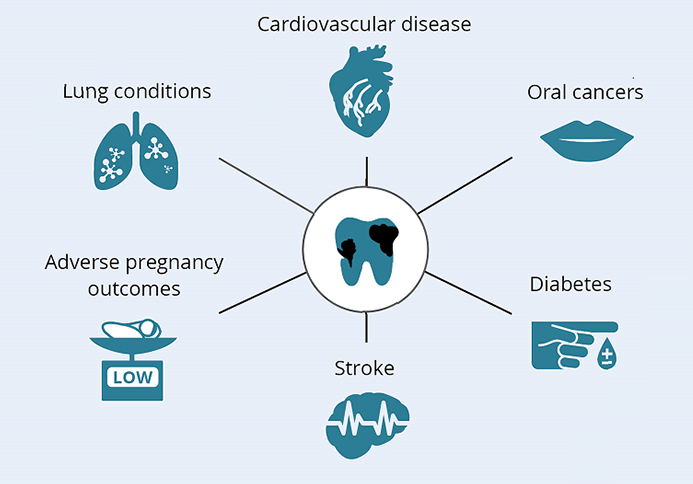
Poor oral health is a silent and pervasive epidemic. It impacts people’s everyday lives and disproportionately affects vulnerable and disadvantaged Victorians. It both prevents people from fully participating in society (for example getting a job or going to school) as well as contributing to poor general health, such as an increased risk of heart disease and diabetes. This is particularly prominent for older people. About 20 per cent of aged Australians have lost all their adult teeth and instead rely on dentures.
Despite poor oral health being highly preventable, the current lack of investment in prevention is a major lost opportunity to significantly reduce future ill-health and care costs, especially given the existence of robust evidence-based strategies. Without adequate investment in prevention in Victoria (and throughout Australia), we will continue to constantly fight a tide of oral disease with inadequate resources that is ultimately produced by a funding formula which privileges treatment over prevention.
Further, evidenced-based clinical and non-clinical health promotion initiatives, including the expansion of fluoride varnish programs and modification of output-based funding formula offer high-impact, low-cost opportunities to address poor oral health.
Short-term Recommendations to Increase Investment in Oral Health Prevention:
Expand Water Fluoridation in Rural Victoria to Three Further Towns in 2024-25:
Water supply fluoridation is a stand-out cost-effective strategy, yet the Government estimates 12% of Victorians are not covered, with high impact on individuals and future system costs.
It has been estimated that fluoridation has saved the Victorian community about $1 billion over a 25-year period through avoided costs of dental treatment and days absent from work and reduced hospital admissions for young children.1
Amend the Funding Formula for Care (DWAUs) to Enable more Strategic and Effective Preventive Clinical Approaches
This would include initiatives such as targeted fluoride varnish programs to adults, for example the ‘Heal and Seal’ Program.
There is strong evidence that the application of fluoride varnish or silver fluoride to children’s teeth has positive protective benefits, leading to lower use of oral health services.2
Ensure a Minimum 5% of Dental Health Expenditure Flows to Evidence-Based Disease Prevention and Health Promotion
Change funding allocations to ensure a minimum 5% of ongoing dental health expenditure flows to evidence-based (non-clinical) disease prevention and health promotion, in line with the targets set by the National Preventive Health Strategy.3
Promote lower sugar intake.
105 countries have now introduced taxes to reduce consumption of sugary drinks.4 Although the introduction of a tax is a Federal matter, Victoria could both be encouraging the national government to introduce such a tax, and investing in health promotion activities that address sugar intake and start exploring other initiatives (including a floor price such as applied in some places to alcohol).
Scale up evidence based preventive behaviour programs
At the individual level, regular hygiene routines such as tooth brushing and flossing are highly effective very low-cost preventative measures, crucial in an era when total sugar content in foods has risen significantly. This has had strong impact on levels of oral disease but also on diabetes and obesity. Whilst Smiles 4 Miles, Healthy Families, Healthy Smiles and Lift the Lip programs have been very successful programs for children under five and pregnant women, 1 not all have been scaled up to cover more children. Nor have similar age and culture appropriate programs been widely funded.
Expanding Fluoride Varnish Application to Broader Population through Diverse Health Practitioners
Build on the recently announced program for Indigenous children to expand types of practitioners who can apply fluoride varnishes (mainly Aboriginal and Torres Strait Islander health practitioners) to the broader population using dental assistants, nurse practitioners and other health professionals.5
2. Insufficient workforce in the public system
Despite the availability of many unused dental chairs around the state – (see Appendix A), ongoing workforce shortages prevent their use despite high demand. Many public oral health services report struggling to recruit a sufficient workforce, especially in rural areas. Anecdotal evidence is plentiful, for example, VOHA understands that the Wimmera and Southern Mallee region of Victoria is critically underserviced – several clinics have no dentists at all. The previous year Sale and Wangaratta had similar long-term problems and Bairnsdale is currently without a dentist.
Fewer staff results in lower rates of available appointments and longer waiting lists. Whilst these shortages are not atypical within the health system currently, the oral health workforce requires recognition and dedicated focus by the Victorian Government to meet current and future demands.
On the Ground Perspectives on this Include:6
“[It has been] extremely difficult to retain good staff, many of the young ones come in to upskill, become very good clinicians and then leave. This is also hard on long term staff who spend time to upskill the younger ones and then have to do so again almost on a yearly basis.” – Senior Dentist at a Metropolitan Melbourne Community Health Centre
“Very difficult to recruit clinicians. We have been advertising all year with hardly any enquiries or applicants”. – Employee at a Regional Victorian Community Health Centre
“Pay is low and not comparative to other states and private practice, [there are] not many incentives to work in public, staff come as new grads and get experience then leave”. – Clinical Head of Dentistry at a Metropolitan Melbourne Hospital
Decline in Public Clinic Dental Workforce: 2018-2022
This decline is illustrated in Table 1 which shows the 12% decrease in FTE oral health staff numbers in public clinics between 2018 and 2022. Whilst there has been a modest (3.5 FTE) increase in OHTs during this time, this is likely related to the increased demand for Smile Squad and not for adults. In any case, this has been nowhere near enough to offset the 42.8 FTE (19%) decrease in dentists. There has been a similarly large decrease in the number of dental prosthetists which directly impacts the denture wait list times.
DIVISION
2018
2019
2020
2021
2022
% Change 2018-22
Dentists
223.6
207.8
195.8
n/a
180.8
-19%
Dental Therapists, Oral Health Therapists and Dental Hygienists
129.2
128.6
104.4
n/a
132.7
3%
Dental Prosthetists
27.4
28.6
24.1
n/a
22.1
-19%
Total
380.2
365.0
324.3
n/a
335.6
-12%
Table 1. Number of Public Dental Practitioners Employed (2018-2022)
Uncompetitive Remuneration Affecting Staff Attraction and Retention in Victorian Public Oral Health Sector
A key factor is the inadequate and uncompetitive remuneration rates of Victorian public sector oral health staff in comparison to private sector and other states. This does not support the attraction and retention of key personnel. Examples include:
Public sector dentists in Victoria are paid up to 28 percent less than for the same role in NSW (NSW $99k – $185k vs Victoria $77k – $168k), oral health therapists up to 27 percent less and dental assistants up to 14 percent less
Private sector salaries are considerably higher than in the public sector (e.g. hourly rate for private dental practitioners is $53 – $58 compared to $30 – $46 in the public sector)7
Graduates’ significant HECS debts are a disincentive to seek lower-paid public employment.
Short-term Recommendations to Build the Capacity of Oral Health Workforce:
Creating Rural Student Pathways for Training and Regional Employment
Negotiate with and support relevant universities to develop pathways for more rural students to gain access to relevant training and later employment in the regions.
The socio-demographic profile of students gaining entry to tertiary courses does not fit easily with current or future demand for rural practitioners, or even with the client population that public clinics serve. New training pathways are required.
Expanding Clinical Professional Development for Rural Workforce Due to Limited Specialist Access
Increase access to clinical professional development among the rural workforce, especially given their typical broader scope of practice demanded due to less specialist accessibility.
Public sector dentists in Victoria are unable to work to full scope of practice in which they are trained and are competent. This is influenced largely by rising costs, inadequate funding, and demand pressures including for emergency and general dental care that well exceeds capacity.
Graduate Year Program for Structured Entry into Public Dental Sector
Strengthen graduate year programs for structured entry pathway into the public dental sector.
Redesign the Voluntary Graduate Year Program
Plan for a Sustainable Workforce
Develop a workforce strategy that addresses critical shortages in dentists, oral health therapists, dental prosthetists, dental assistants, and dental technicians especially addressing recruitment and retention issues in regional and rural Victoria, as well as mental health and wellbeing of oral health workers generally.
A 2023 report8 found that 32.0% of dental practitioners are currently experiencing moderate to severe psychological distress, with one in four participants (24.8%) classified as likely to be experiencing burnout. These results were even more profound in public sector practitioners.
3. Limited access to dental care means very significant inequity
There is very significant inequity in access to oral health care in Victoria. Private dental care is relatively expensive as it is not covered by Medicare. Hence consumers nationally pay at least 60% of the total costs of dental care (compared to 17% for primary medical care).9 This makes access to low-cost public care vital for 2.5 million eligible Victorian children and adults. Whilst the Victorian Government has invested in children’s oral health through Smile Squad, adults are still relatively neglected. The 1.5 million Victorian adults who are eligible for public care (and not in a priority group) remain severely disadvantaged with funding only allowing care once every seven years on average – a period wildly outside any clinical guidelines.
One of these particularly vulnerable cohorts is older adults, who may face additional challenges due to mobility issues, chronic conditions, and financial constraints. More than 220,000 Australians live in residential aged care, and many more receive assistance to live at home. For too long, the most basic oral care needs of these residents have been neglected.
Average wait times for general care as of June 2023 (remembering 50% of clients waited longer than these figures):
Service Provider
Average Wait Time
South West Healthcare
38 months
Sunraysia Community Health Services
32 months
Latrobe Community Health Services
30 months
Bass Coast Health
25 months
Maryborough District Health Service
25 months
Bairnsdale Regional Health Service
23 months
Longest Wait Times for General Dental Care in Rural and Regional Victoria
Service Provider
Average Wait Time
North Richmond Community Health
44 months
Merri Health
28 months
DPV Health
25 months
Inspiro Community Health Service
24 months
Longest Wait Times for Denture Services in Victoria
Service Provider
Average Wait Time
North Richmond Community Health
47 months
Maryborough District Health Service
36 months
Latrobe Community Health Service
35 months
Inspiro Community Health Service
35 months
Longest Wait Times for Denture Services in Victoria
Note that Victoria has the second-highest median wait-time in the country, and around 60% longer than NSW.10
A Vicious Cycle
For the majority of patients, the waiting times quoted do not include the 12-month wait after their last treatment before they can go back on the list. So, 36 months can in real terms be upwards of 48 months for patients to continue regular care. Lengthy waits mean many dental problems get worse with sometimes lasting impacts on a patient’s oral and general health. This often means more emergency appointment are required (many services use more than 50% of clinic appointment times for these) instead of for people on the waiting list.
Short-term Recommendations for Investment to Ensure Vulnerable Victorians Can Smile Again:
Aligning Outsourced Dental Services with DVA Fee Schedules and CPI-Adjusted DWAU Rates
Align any outsourcing of dental services with the relevant DVA fee schedules (the lowest acceptable benchmark for dental services), i.e. increase DWAU rates for managing these, and increase annually by CPI.
Note the post-Covid catch-up funding made very high use of the private sector, as well as public. The former was typically funded through a voucher, tied to DVA rates. Public services are increasingly finding private practitioners unwilling to offer care at these rates which are falling behind costs.
Review of DWAU Funding Formula for Complexity in Public Care
Review the DWAU funding formula to better reflect the increasing complexity of client situations encountered in public care
Practitioners report an increasing complexity in their work, both clinically and socially. The DWAU funding formula does not adequately reflect this creating financial sustainability pressures on providers
Medium-term Recommendations for Investment to Ensure Vulnerable Victorians can Smile Again
Five-Year Strategy for $40M Annual Investment to Doubling Care Access by 2030
Commit to commence in 2025-26 a five-year strategy to increase investment by a further $40 million each and every year to double the target number of disadvantaged and vulnerable Victorians completing care by 2030, i.e. ensuring that 750,000 more Victorians will have access to essential dental care.
New Model for Sustainable and Timely Dental Care for At-Risk Victorians
Develop a new model that supports the effective, efficient, and financially sustainable delivery of services to ensure Victorians have access to timely dental care, especially key at-risk population groups including Victorians living in aged care facilities, and refugees and asylum seekers.
References –
1. Rogers J, Roberston J. Looking Back Looking Forward – Oral health in Victoria 1970 to 2022 and beyond. University of Melbourne; 2023. https://doi.org/10.26188/23721969.v1
2. Nguyen TM, Tonmukayakul U, Warren E, Cartwright S, Liew D. A Markov cost-effective analysis of biannual fluoride varnish for preventing dental caries in permanent teeth over a 70-year time horizon. Health Promot J Austr. 2020 Apr;31(2):177-183. doi: 10.1002/hpja.283. Epub 2019 Aug 27. PMID: 31373066; PMCID: PMC7187475.
3. Department of Health. National Preventive Health Strategy 2021-2030: Government of Australia; 2021.
4. Hattersley L, Mandeville KL. Global Coverage and Design of Sugar-Sweetened Beverage Taxes. JAMA Netw Open. 2023 Mar 1;6(3):e231412. doi: 10.1001/jamanetworkopen.2023.1412. PMID: 36988952.
6. Australian Dental Association Victorian Branch. 2023 Data Collection Survey for Victorian Senior Public Dental Staff.
7. Stormon NL, Tran C, Suen B. Australian Oral Health Workforce. University of Queensland; 2021. ISBN: 9781742723501, and comparison of staff rates by cohealth
8. Hopcraft MS, McGrath R, Stormon N, Parker G. Mental health, psychological distress and burnout in Australian dental practitioners. Aust Dent J. 2023 Sep;68(3):160-170. doi: 10.1111/adj.12961. Epub 2023 May 18. PMID: 37199455.
9. Australian Institute of Health and Welfare. Health expenditure Australia 2016–17. AIHW, 2018.
The pervasive issue of chair underutilisation in Victoria’s public dental system continues to be a major issue of concern, leading to inefficient use of resources and decreased accessibility for patients. There is an immense discrepancy between the number of available dental chairs and the limited total effective full-time staff (EFTs) of dentists and oral health therapists able to fulfil the demand for services. Dental chairs too often sit empty while the waitlists of patients in need of services continue to grow considerably. As per Question on Notice No. 460 issued to the Victorian Parliament on the 17th of May 2023, the government has confirmed that the entire Victorian public dental service is operating at an estimated 52.5% capacity. 11 This problem is often more pronounced in rural and regional areas of Victoria, where clinics often possess adequate physical dental infrastructure, but the absence of working practitioners in large geographic areas becomes a significant barrier to care, requiring residents to travel long distances even for emergency treatment. The widespread issue of chair underutilisation is one of the starkest outcomes of the staffing challenges facing public dental services, highlighting how Victoria has failed to attract and retain public sector clinicians thus resulting in a system that neglects the oral health of our most disadvantaged populations.
Snippets from Looking Back Looking Forward: Oral health in Victoria and Australia 1970 to 2022 and beyond, will be featured in this and subsequent newsletters.
Waiting times for general public dental care have not changed substantially for the last quarter of a century. They were 21 months then (25 for dentures) and this is similar to the five-year average now.
The total number of practitioners in the public system grew by 12% between 2009 and 2020. This was almost entirely more oral health therapists. However the current total number is 14% lower than the 2014 peak.
There have been significant improvements in the oral health of Victorians generally over the last 50 years. However inequality has increased: the tooth decay gap between health care card holders and non-card holders rose from three to six teeth in the 12 years to 2018.
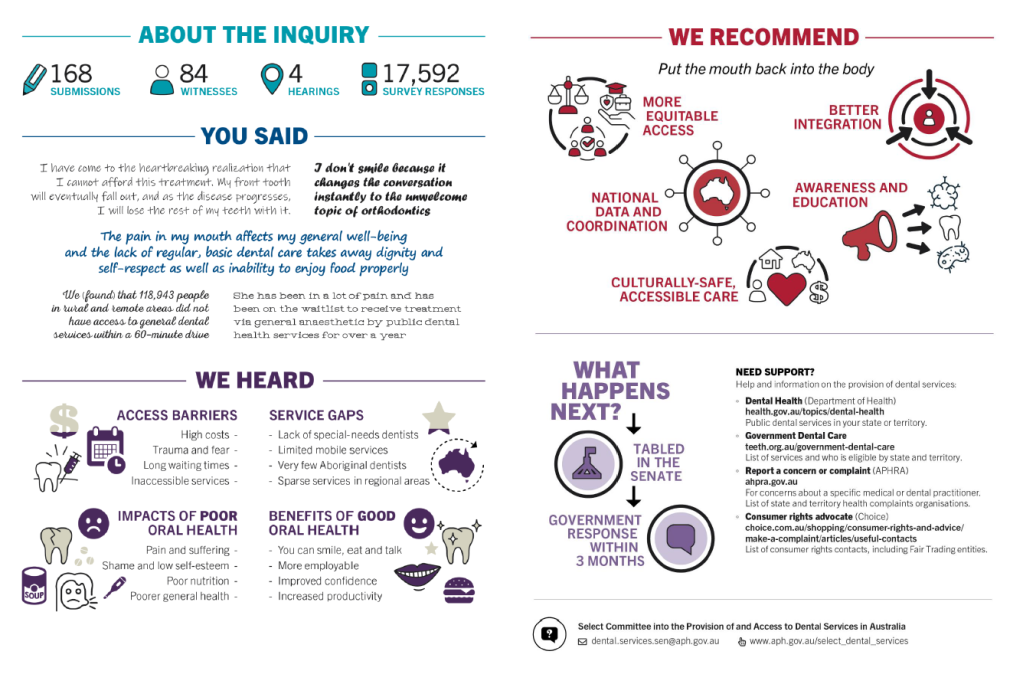
A Senate Select Committee into the Provision of and Access to Dental Services in Australia has been underway for the last year and their final report is now out.
It is titled A system in decay: a review into dental services in Australia.
VOHA provided a submission to this, and was invited to appear at one of their hearings.
You can read the committee’s two-page Infographic summary which not surprisingly gives a damning analysis of the current access to and affordability of oral health services. Basically the committee recognises the significant problems in the whole system, and recommends gradually moving towards a universal scheme.
A new book on history of the Victorian oral health sector is a must-read for anyone working in the sector or interested in health policy over the last 50 years.
It is titled Looking Back Looking Forward: Oral health in Victoria and Australia 1970 to 2022 and beyond, and has been researched and written by two very experienced dentists/oral health policy managers, John Rogers and Jamie Robertson.
This is a must-read for anyone involved in oral health care and policy development. You can download for free at https://doi.org/10.26188/23721969.v1
But I recommend that every service delivery organisation purchases one for their staff and managers, both to increase awareness of the history and context of current care funding and approaches, but also as a resource for submission writing and general comms.
The Victorian Oral Health Alliance welcomes Thursday’s announcement that a Matthew Guy Liberal Government will significantly increase funding for public dental care to address long waiting times and put an emphasis on oral health this election.
“We have seen the waiting times for access public dental care balloon from 20 months to nearly 27 months over the past 4 years, which is too long to wait for clinically necessary treatment,” said VOHA spokesperson Tony McBride. “While people languish for more than two years on a waiting list, their oral health deteriorates leading to more problems with their teeth, and their general health suffers as a result”.
There has been no significant boost to funding to treat eligible adults in the public dental system, which means that only around 220,000 of the 1.5 million eligible adults have access to essential oral health care each year. This means that care must be carefully rationed, with no ability to comprehensively manage the complex conditions many patients have.
“We are pleased that our advocacy efforts over the past four years, meeting with MPs and candidates across Victoria, has resulted in this announcement. We hope that Labor, Greens and independents can support this boost in funding which is necessary to improve the oral health of Victorians,” said Tony McBride.
VOHA is also calling major parties and independents to support VOHA’s election policy platform focusing on prevention and health promotion and measures to address the growing workforce crisis in public dentistry. This includes measures to expand water fluoridation to communities like Heathcote, increasing dental outsourcing funding and targeting the marketing of sugary junk foods to children.
Poor oral health continues to be one of the strongest indicators of inequality in Australia, yet dental health continues to be absent from health policy discussions in this country.
There are 200,000 older Australians living in residential aged care who have poor access to dental care.
The Aged Care Royal Commission highlighted significant neglect and countless stories of poor oral health.
We need a Senior Dental Benefits Scheme to ensure that older Australians can access dental care when they need it.
Older Australians deserve better than what they are currently getting.
We need you to tell our politicians to take action.
ADAVB is calling on the Federal Government to take urgent action to improve access to public dental care and help improve oral health.
The problem
Dental diseases are some of the most prevalent diseases affecting Australians across all ages. One in three children experience tooth decay by the age of 5-6 years, and more than 50% of Australians over the age of 65 years have gum disease. Dental problems are the leading cause of preventable hospitalisation for Australian children. More than 85% of dental care is provided through the private sector. People with poor oral health may experience pain and embarrassment, have trouble speaking and eating, miss school, have trouble getting a job, and develop other serious health problems.
That’s why it’s so important that all Victorians have access to regular dental care.
But there is one section of the community where these problems are exacerbated. Older Australians living in residential aged care have some of the poorest oral health in the nation, and suffer significant barriers in being able to access dental care. The Royal Commission into Aged Care Safety and Quality highlighted these issues for many of the nearly 200,000 people living in residential aged care.
The current public system can’t cope with the demand, with waiting lists that are now more than 2 years long evidence of this. What we really need is meaningful and coherent dental policy at the federal level, not the current erratic model we have experienced in the past where various schemes have been introduced and closed down.
There is clearly a need for government-funded dental-care programs that are targeted, have clear eligibility criteria, cover a broad spectrum of dental services, can be introduced in phased stages, and have minimal, if any, capital costs to address these oral health inequities. The Child Dental Benefits Schedule is an example of such a program that provides an important mechanism for socioeconomically disadvantaged children to receive dental care from either private dentists or public dental services.
The best place to start this reform is to address the oral health neglect in residential aged care. Older Australians deserve better than what they are currently getting.
ADAVB focuses on key recommendations including:
the establishment of a Senior Dental Benefits Scheme
Upskilling the Aged Care Workforce
Including oral health in the Over 75 Health Assessment and
Reviewing the Aged Care Quality Standards
VOHA encourages you to email your local Member of Parliament and candidates for the upcoming election which can be done HERE.
Monash Health Dental – free dental screening and oral health advice for employees
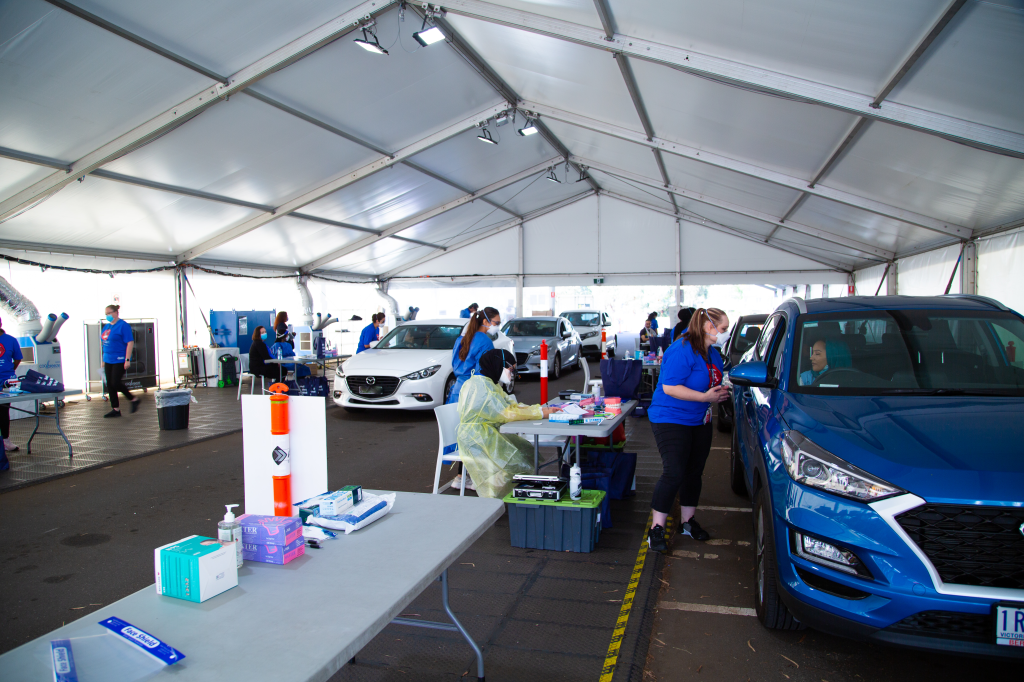
Utilising the COVID-19 drive-through screening model, the clinic offered Monash Health employees free dental screening and oral health advice from the convenience of their car.
Dr Ramini Shankumar, Unit Head Monash Health Dental Services, shared how providing this service to Monash Health employees was a rewarding experience for the Monash Health Dental Services team.
“The clinic was a great success, with close to 100 employees receiving a free dental screening. We are grateful that we were able to help our Monash Health colleagues prioritise their oral health. All employees who attended the clinic were very appreciative of the service we offered them.”
The Monash Health Dental Services team were commended by employees for this innovative delivery of care, and for their professionalism, expertise, and organisation on the day.
Many employees have faced barriers to getting their oral health checked due to the challenges of the pandemic or experiencing anxiety around visiting the dentist.
The clinic offered employees the convenience of receiving dental screening from the comfort of their car, whilst providing them with oral health advice and friendly encouragement to seek further dental care and treatment if it was required.
All employees who attended the clinic received a gift bag and went in the draw to win some great prizes, including an electric toothbrush or a free dental scale and clean appointment.
Thank you to Monash Health Dental Services for encouraging your employees to prioritise their oral health and for facilitating the drive through dental clinic.
VOHA congratulates Monash Health Dental Services on this innovative idea and looks forward to sharing further ideas with readers in the near future.